细胞松弛素 D 98%
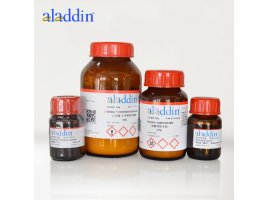
Cytochalasin D is used in actin polymerization studies and cytological research. Cytochalasins are fungal toxins characterized by a highly substituted hydrogenated isoindole ring to which is fused a macrocyclic ring. They are believed to bind to the barbed end of actin filaments resulting in inhibition of both the association and dissociation of subunits. Cytochalasin D is about 10-fold more effective than cytochalasin B and does not inhibit monosaccharide transport across cell membranes. Treatment of cells with cytochalasin D results in rapid tyrosine phosphorylation of fish (SH3PXD2A), along with activation of Src. Cytochalasin D has been shown to increase intracellular Ca2+ levels and to activate p53-dependent pathways, causing arrest of the cell cycle. It may also act as an inhibitor of DNA synthesis, thyroid secretion, and growth hormone release. Other Cytochalasins available: Cytochalasin A ; Cytochalasin C ; Cytochalasin E, Aspergillus clavatus ; Cytochalasin H ; Cytochalasin J